


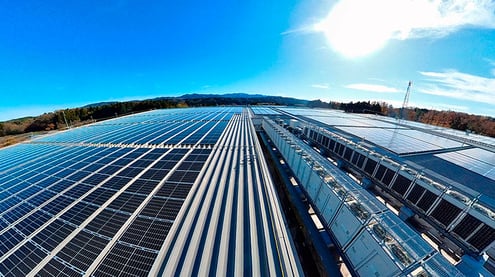
At Byora, our and our suppliers' environmental footprint is of high importance. We have defined 3 main goalposts to guide tangible actions towards the achievement of environment-related Sustainable Development Goals(SDGs), within overall operational polices that aim to help global prosperity by 2030 become a reality. In addition, following a review of target values in 2021, we have put forth a commitment to carbon neutrality by 2030 via reduction of CO2 emissions, along with other preventative measures to combat global warming.
3 Main Goalposts
CO2 emissions

(Aim for carbon neutrality by 2030)
Concrete actions
- Solar panel installations
- Thorough implementation of energy conservation activities
- Boiler replacement (transition to electricity) , etc.
70% reduction of industrial waste
(Relative to 2013’s output numbers)
Concrete actions
- Adherence to waste management principles
(Reduce, Reuse, Recycle)
Zero incidents requiring emergency action
(Goal window: 4/6/2020 - 12/31/2030) *escape of oils, hazardous materials etc.
Concrete actions
- Implementation of preventative measures
- Strengthening of internal inspection
- Regular check-ups of oil product containment facilities
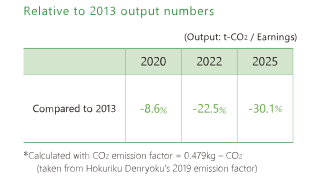
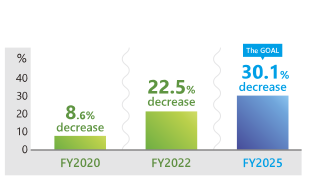
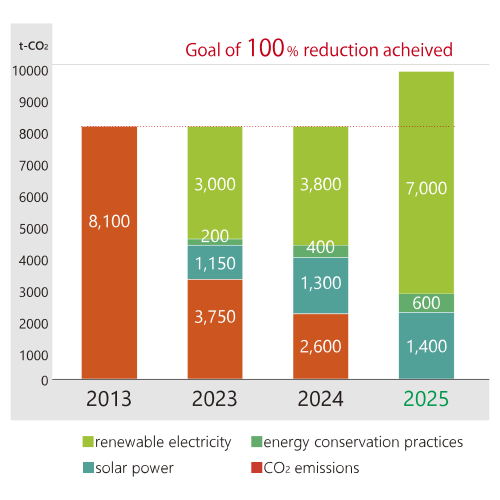
Achievement of medium-term targets for carbon neutrality
Fukui Byora Group is proud to report that the medium-term goal we established to offset our 2013 CO₂ emissions (8,100 tons) to zero by 2025 has been achieved. A combination of solar panel utilization, energy conservation efforts, and integration of renewable energy sources throughout 2025 allowed us to reduce CO₂ output by a total of 9000 tons. In addition to the solar panel array installation at Katayamazu described above, solar panels have been adopted at our NL Factory (Awara City, Fukui Prefecture) and affiliated company Wako Riken (Kaga City, Ishikawa Prefecture), and put into use during the same period. Through reducing CO₂ by this amount into 2026 and acceleration of energy conservation practices, we strive to reach our target of carbon neutrality by the year 2030.
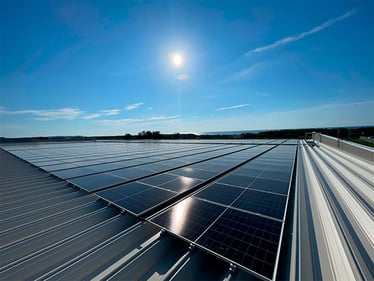
As part of our plan to decarbonize and reduce greenhouse gas emissions, we have formed a PPA* contract with Hokuriku Electric Power Company to outfit our factory in Katayamazu, Ishikawa with a solar panel array. The panels entered effective use on December 1st, 2025, and constitute our 7th complete solar power generation facility as well as our first hybrid on-site and off-site power generation plan.
*Power Purchase Agreement
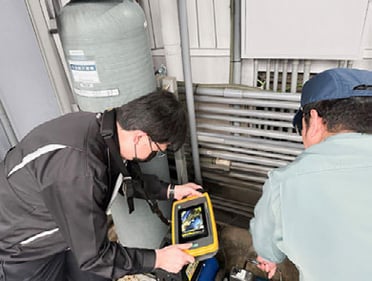
Following our efforts in 2024, we once again collaborated with our suppliers to carry out decarbonization initiatives (such as air leak inspections and air flow surveys). This year, we reached out to our suppliers C&M, Sanko Mekki, and Nippon Steel Nisshin, and implemented the methods taught to us by Aisan Industries. Through this process, a firsthand understanding of the importance and effectiveness of decarbonization initiatives was gained. By collaborating with a total of five companies, including Ishikawa Plating Industry and Wire Techno, which joined the initiative in 2024, a reduction of 64.4 tons of CO2 per year was achieved, resulting in annual cost savings of 3.9 million yen and an improvement rate of 17.6%.In 2026, we will further expand the number of Scope 3 partner companies and promote decarbonization efforts through collaborative initiatives.
Hosorogi factory (building no.1)
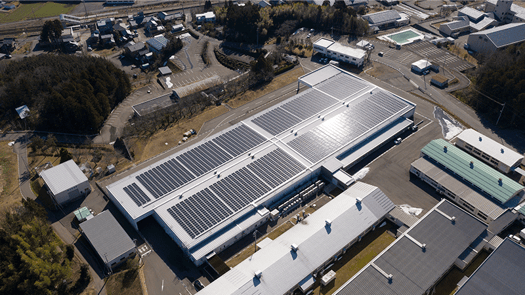
- Capacity of installed panels : 822 kW
- Number of panels : 2,418
- Yearly reduction in CO₂ emission(*) : 422t / year
Hosorogi factory (building no.8 & no.9)
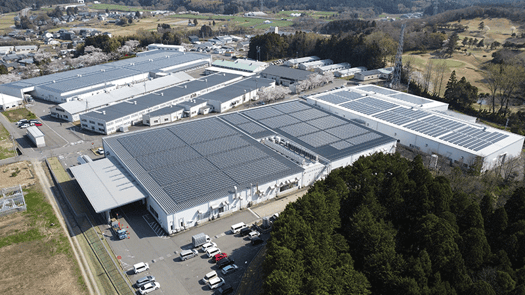
- Capacity of installed panels : 1,057 kW
- Number of panels : 2,818
- Yearly reduction in CO₂ emission(*) : 500t / year
Kaga factory
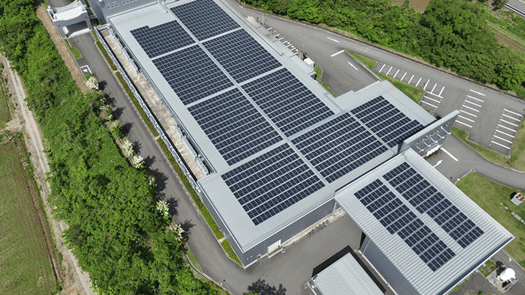
- Capacity of installed panels : 581 kW
- Number of panels : 1,548
- Yearly reduction in CO₂ emission(*) : 297t / year
Noto factory
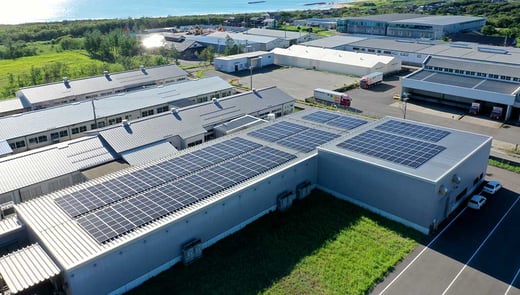
- Capacity of installed panels : 92 kW
- Number of panels : 360
- Yearly reduction in CO₂ emission(*) : 422t / year
Katayamazu Factory
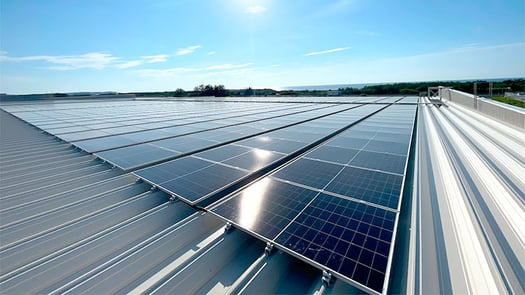
- Capacity of installed panels : 869 kW
- Number of panels : 1,998
- Yearly reduction in CO₂ emission(*) : 439t / year

SUSTAINABILITY REPORT DOWNLOAD
We has reached the point where it is today after a more than 65 year journey alongside its customers.Our technology has been shaped by the demands of our clients in various industries, and continues to evolve.
As a leader in cold form manufacturing technology, we vow to put sustainability at the forefront alongside other core needs of our customers in all aspects of company operations.